Prashnavali: ask your question
A prashnavali is a devotional chart you consult with one question in mind. You remember the deity, touch a letter or a number without looking, and read the answer fixed to it. Here are the five charts whose answers have come down unchanged, each checked number by number before we wrote it out.
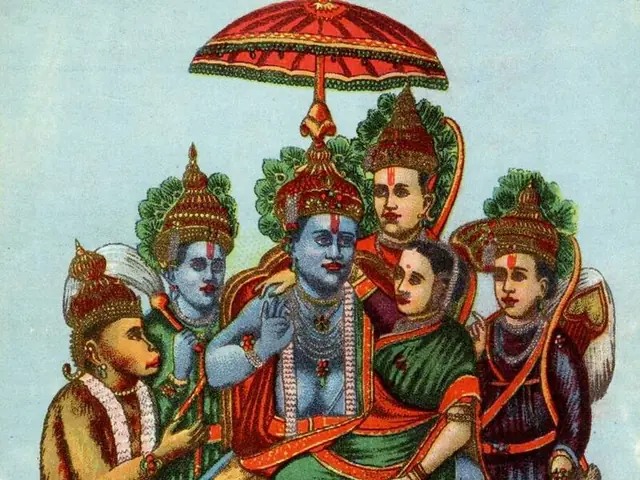 Ram Shalaka225 letters from the Ramcharitmanas. Touch one and the trail spells your chaupai.Ask →9 answers
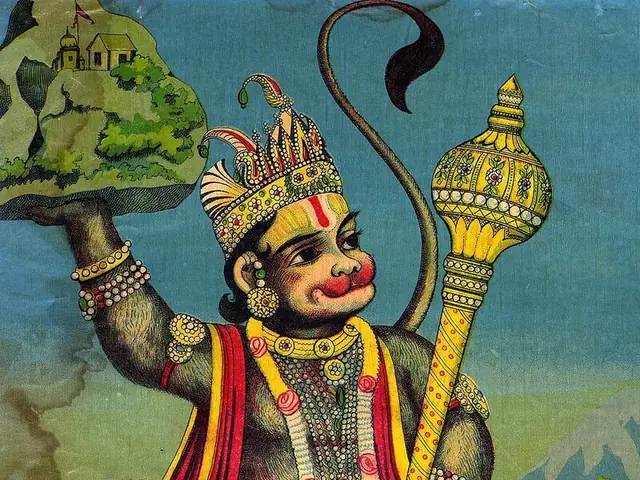 Hanuman Prashnavali49 numbers in Hanuman ji’s triangle. Many answers come with a remedy.Ask →49 answers
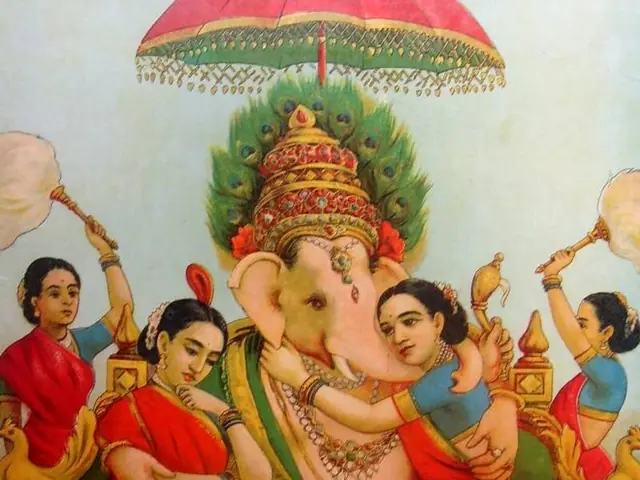 Ganesh Prashnavali64 numbers for new beginnings. Ganesh ji answers before you start.Ask →64 answers
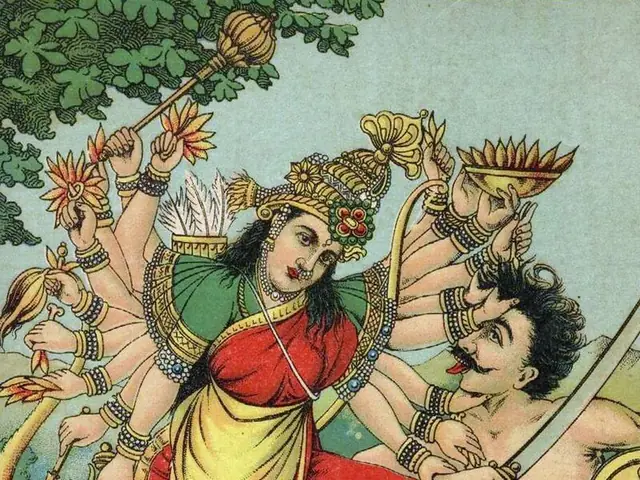 Durga PrashnavaliThe Navdurga chakra of 15 numbers. Short, direct answers from the Mother.Ask →15 answers
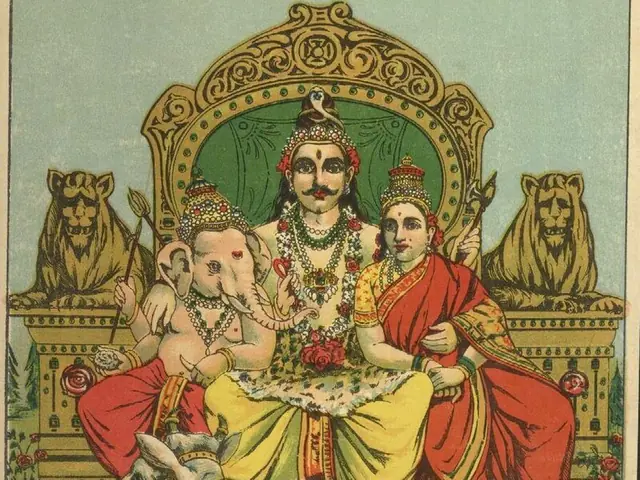 Shiv PrashnavaliSeven numbers, seven answers from Mahadev, each with its remedy.Ask →7 answers
Which prashnavali should you choose?
Choose the deity you turn to for this kind of question. The Ram Shalaka is the oldest and the best known: its answer is a chaupai from the Ramcharitmanas, so it suits a question you want to put to Ram himself. The Hanuman Prashnavali is for courage and for trouble that will not shift, and many of its 49 answers carry a remedy.
The Ganesh Prashnavali is the one for beginnings: a business, a job, a move. The Durga Prashnavali gives short, direct answers and is most consulted in Navratri. The Shiv Prashnavali has only seven answers, each with a remedy, and is the one people open on Mondays and through Sawan.
How should you ask a prashnavali?
Every chart here asks for the same few things. Ask one question, clearly, in your own words. Say the deity’s mantra first, the number of times the page gives. Touch the chart without choosing, with your eyes closed if you can.
Do not ask the same question twice on the same day, and keep to three questions a day at most. A second try reads as doubting the first answer. If an answer troubles you, sleep on it, and if your situation truly changes, ask again on another day.
Is a prashnavali the same as astrology?
No. Astrology reads the planets at a moment, such as your birth or the start of a journey, which is what this site calculates for the choghadiya and Rahu Kaal. A prashnavali reads nothing from the sky: it is a prayer with an answer attached, and its authority is faith in the deity you asked.
So the two work together rather than compete. People often ask a prashnavali whether to go ahead, and then pick the hour to begin from the day’s good windows.
Prashnavali: frequently asked questions
Is an online prashnavali as good as the printed chart?
The chart and its answers are the same; only the paper is missing. What matters in the tradition is the question you hold and the faith you ask with.
Why are there only five prashnavalis here?
We include a chart only when its answers agree, number for number, across independent older sources. Other deities’ prashnavalis online differ from site to site, so we left them out rather than invent answers.
Do I have to bathe before asking?
It is the custom, and many people ask after the morning bath and prayers. If that is not possible, wash your hands and face and sit quietly for a minute first.
Can the answer be shared?
Yes. After you get your answer, the share button makes a picture of it with the deity, the answer and the page link, ready for WhatsApp.
A prashnavali is devotional guidance, not a prediction. For decisions about health, money or law, talk to someone qualified as well.
Pictures: Ravi Varma Press prints, about 1910, public domain (Wikimedia Commons).